

The fascinating journey of gambling through history
Origins of Gambling in Ancient Civilizations
The history of gambling can be traced back thousands of years to ancient civilizations, where the act of wagering on uncertain outcomes was woven into the fabric of social and cultural life. Archaeological evidence suggests that as early as 3000 BC, the Chinese were using rudimentary forms of gambling, including games with dice made from animal bones. Similarly, the ancient Romans and Greeks engaged in betting on various events, indicating the universal appeal of gambling across cultures. Notably, many would eventually evolve into a sophisticated form of leisure like the real money casino, which captures the essence of modern gaming.
These early forms of gambling were not merely recreational; they often held significant social and religious implications. In many ancient societies, games of chance were seen as a means to connect with the divine or to determine fate. This deep-rooted connection between gambling and spirituality can be observed in various rituals and practices, indicating that the allure of risk and reward has been part of human nature for millennia.
Gambling in the Middle Ages and Its Evolution
As societies evolved during the Middle Ages, so did the landscape of gambling. This period witnessed the formalization of gambling practices, particularly with the emergence of card games. The introduction of playing cards in Europe around the 14th century transformed the gambling scene, leading to the rise of gaming houses and the establishment of rules and regulations surrounding various games. With the growth of urban centers, gambling became more accessible to the general populace, contributing to its acceptance as a popular pastime.
During this era, gambling faced both scrutiny and endorsement. While some religious factions condemned it as immoral, others viewed it as an essential aspect of social interaction. Despite the controversies, gambling continued to flourish, leading to the emergence of casinos in the Renaissance period, which would further cement its place in popular culture.
The Birth of Modern Gambling: The 18th and 19th Centuries
The 18th and 19th centuries marked a significant turning point in the history of gambling, particularly with the establishment of formal casinos and betting houses. In Europe, the first licensed gambling houses opened in cities like Venice and Monte Carlo, offering a variety of games and attracting the elite. The introduction of roulette, baccarat, and other table games created a sophisticated atmosphere that appealed to the upper classes, while lotteries became popular among the masses.
Moreover, this period saw the rise of sports betting, fueled by the increasing popularity of horse racing. Betting on the outcome of races became a cultural phenomenon, leading to the creation of racecourses and the establishment of betting regulations. The advancements in communication and transportation during this time also played a critical role in expanding the reach of gambling, making it more accessible and socially accepted.
Gambling in the 20th Century: Regulation and Popularization
The 20th century brought about significant changes in the perception and regulation of gambling. Following the Great Depression, many states in the United States began to legalize gambling as a means to boost their economies. This shift led to the establishment of Las Vegas as a gambling hub, which became synonymous with entertainment and excess. The city’s glitzy casinos and lavish shows attracted visitors from around the world, further popularizing gambling as a mainstream activity.
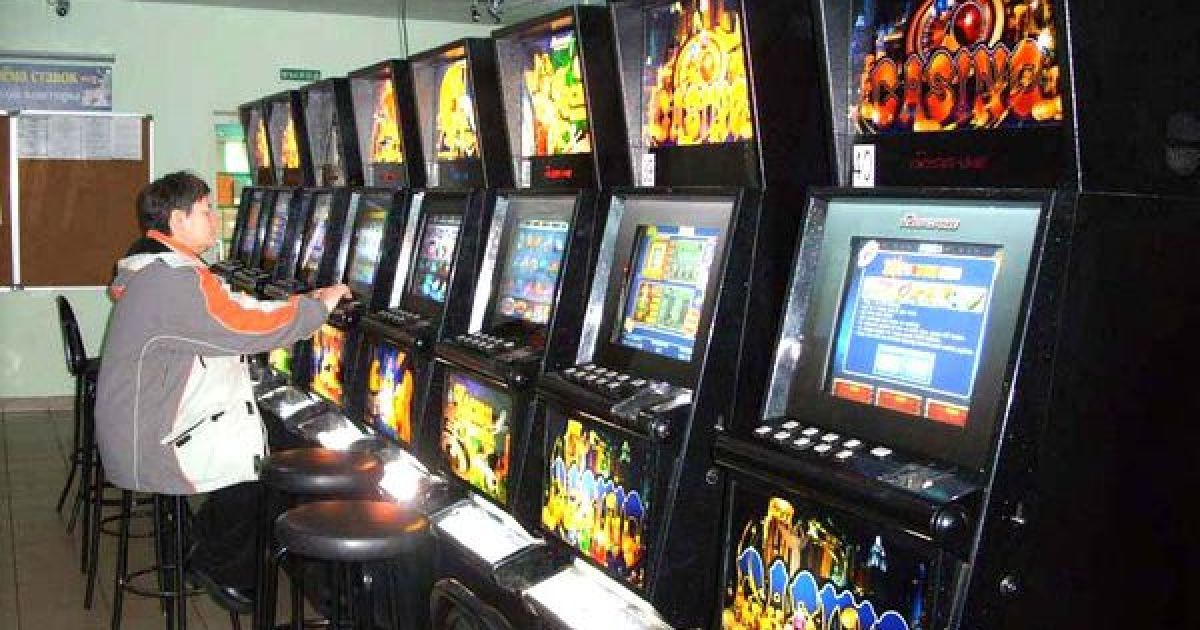
In parallel, the advent of technology revolutionized the gambling industry. The introduction of electronic slot machines and the rise of online gambling platforms in the late 20th century opened up new avenues for players. The accessibility of gambling increased exponentially, with many people now able to participate from the comfort of their homes. This shift not only changed the dynamics of gambling but also raised concerns about responsible gaming and regulation.

The Online Gambling Era and Future Prospects
Today, the landscape of gambling is vastly different from its historical beginnings, largely due to technological advancements and the rise of the internet. Online gambling platforms have democratized access to various games, allowing players to engage in betting from virtually anywhere. The proliferation of mobile apps and virtual reality has created immersive gaming experiences that were once unimaginable.
As the industry continues to evolve, regulatory frameworks are being adapted to address the challenges posed by online gambling. Balancing the benefits of accessibility with the need for responsible gaming practices remains a crucial task for regulators. Looking ahead, the future of gambling seems poised for further innovation, with emerging technologies like blockchain and artificial intelligence potentially transforming how games are played and regulated.